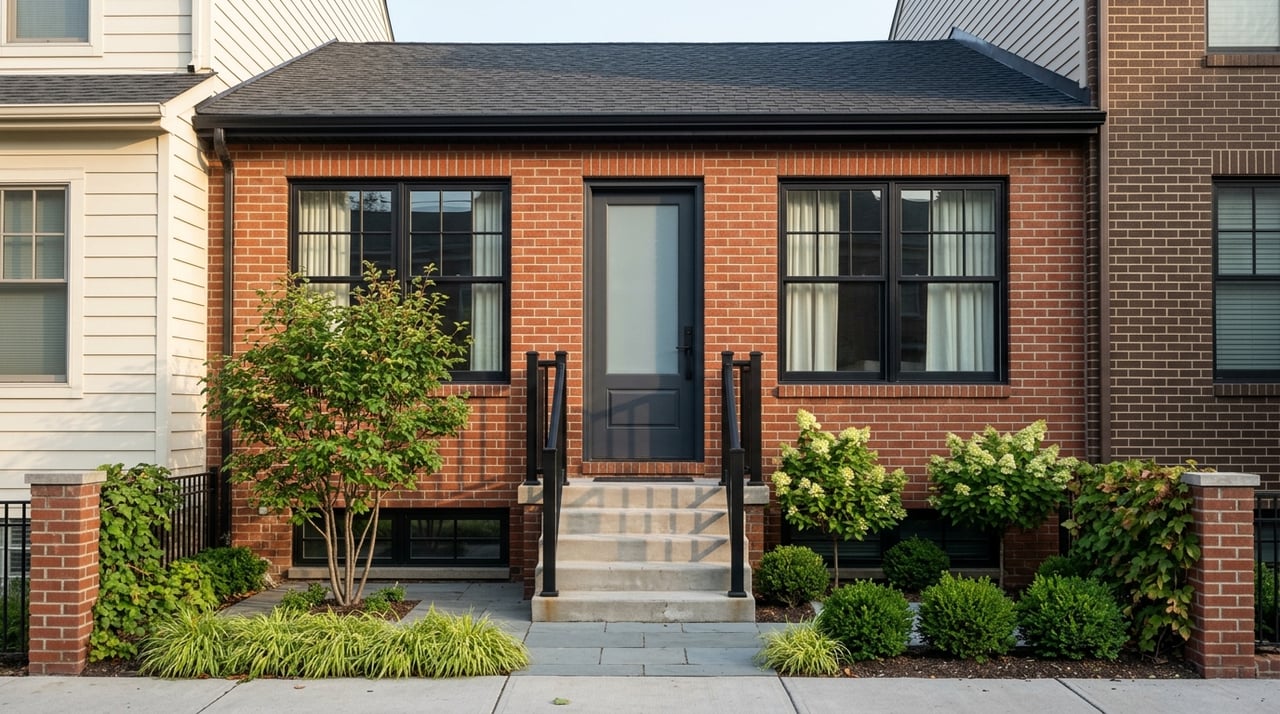
Wondering what everyday life in Queens really feels like? The answer depends on where you land, because Queens is less like one single lifestyle and more like a collection of neighborhood patterns. If you are trying to balance commute options, park access, and nearby shopping or dining, this guide will help you see how those pieces come together across the borough. Let’s dive in.
Queens Living Starts With Lifestyle Fit
One of the most useful ways to think about Queens is to stop treating it like a single market. Official neighborhood profiles show clear differences between western Queens, inner Queens, and the more residential northeastern and eastern sections.
In broad terms, areas like Long Island City, Sunnyside, Maspeth, and Woodside are described by the city as more urban and transit-oriented. Places like Bayside, Douglaston, Little Neck, and Utopia lean more residential and suburban in feel. Flushing stands out as a dense center with major retail and a large transit hub.
That matters because your day-to-day experience often comes down to a few practical questions. How do you want to commute? How important is park access? Do you want to live close to busy commercial corridors, or on quieter residential blocks with a different pace?
Queens Commutes Vary By Neighborhood
Queens has broad transit coverage, which is one reason so many buyers and renters consider it. The MTA subway map shows service in Queens on the 7, A, E, F, G, J, M, N, R, W, and Z lines, and the borough also has an extensive bus network.
The Long Island Rail Road adds another layer of flexibility. According to the LIRR, it serves Queens as part of its 24/7 system, with trains that can begin or end at Penn Station, Grand Central Madison, Atlantic Terminal, Hunterspoint Avenue, or Long Island City.
Still, commute convenience is not identical from one section of Queens to another. A neighborhood may have strong train access, better bus connections, easier highway access, or some combination of the three.
Western Queens Offers Transit Density
If daily access to Manhattan or other parts of the city is high on your list, western Queens often gets attention first. Sunnyside, for example, is described by the city as being served by the 7 train, with easy access to Manhattan through the Long Island Expressway and the Queens Midtown Tunnel.
That kind of setup can appeal to people who want multiple ways to get around. You may value train access most, but having road connections can still matter for weekend travel, airport runs, or work schedules that do not fit a standard 9-to-5 routine.
Woodside also reflects this more connected style of living. Official descriptions note that it becomes more urban near Roosevelt Avenue, which helps explain why some buyers see it as a practical choice when they want a neighborhood with active streets and nearby transit.
Flushing Functions As A Major Hub
Flushing offers a different type of convenience. Community Board 7 describes its area as an intermodal hub with 26 bus lines, the 7 train, and the LIRR.
For many residents, that kind of network supports a more flexible daily routine. You can think of it as a place where transit is not just available, but deeply woven into everyday errands, commuting, and access to retail and services.
Residential Areas Trade Speed For Space
In northeastern and eastern Queens, the lifestyle often shifts toward a more residential pattern. That does not mean you lose access to amenities, but it may mean your daily rhythm feels different from neighborhoods built around heavier transit density.
Douglaston, for example, includes a small commercial district near its train station. In places like Bayside and Little Neck, official profiles highlight active commercial strips and nearby parks, which can matter just as much as a direct subway line depending on how you live.
Parks Shape Daily Life In Queens
Queens offers both major destination parks and smaller local green spaces, which is a big part of its everyday appeal. If outdoor access matters to you, the borough gives you choices that range from large recreation centers to neighborhood park systems woven into daily routines.
For some households, parks are about weekend plans. For others, they are about morning walks, a place to unwind after work, or nearby open space that changes how a neighborhood feels block by block.
Flushing Meadows Corona Park Is A Borough Anchor
Flushing Meadows Corona Park is one of the signature outdoor spaces in Queens. NYC Parks lists it at 870.76 acres and notes features that include sports fields, trails, kayaking, recreation centers, an Aquatics Center and Ice Rink, along with major cultural institutions.
That mix makes it more than a typical neighborhood park. It functions as a large-scale recreational asset that supports many different routines, whether you want active recreation, open space, or access to events and attractions.
Alley Pond Park Adds A Natural Side
Alley Pond Park shows another side of Queens outdoor life. NYC Parks identifies it as the second-largest park in Queens, with 530.4 acres of natural areas, and it includes Oakland Lake, described as a 15,000-year-old spring-fed glacial kettle pond.
If you are looking at northeastern Queens, this kind of resource can shape your lifestyle in a real way. Large natural areas can make a neighborhood feel more spacious and less centered on constant commercial activity.
Local Park Access Matters Too
Large parks get the headlines, but smaller local spaces are part of everyday living too. Community Board 7 reports 64 park locations and 30 Greenstreets in its district, showing how open space can be distributed across daily routes rather than concentrated in one place.
Other parts of Queens also have well-known green spaces tied closely to neighborhood identity. Community Board 9 points to Forest Park as a flagship park in southern Queens, while Community Board 11 highlights Crocheron Park, Oakland Lake Park, and Alley Pond Park as part of daily life in northeastern Queens.
Local Perks Depend On Where You Are
Queens has no single version of dining, shopping, or recreation. The local perks are highly neighborhood-specific, which is part of what makes the borough so appealing to people with different priorities.
Instead of asking whether Queens has restaurants, shopping, or cultural spots, it is more useful to ask what kind of cluster fits your routine. Some neighborhoods offer dense commercial activity and arts destinations, while others center around established shopping strips and smaller local business districts.
Western Queens Brings Density And Culture
In western Queens, official community profiles describe Astoria, Long Island City, and Woodside as places with dense eateries and sidewalk cafes. The same area also includes destinations such as the Museum of the Moving Image, the Noguchi Museum, Socrates Sculpture Park, and the Steinway Piano Factory.
Long Island City is also known, according to Community Board 2, for waterfront parks and a thriving arts community. If you want your everyday environment to include cultural destinations and a high concentration of food and activity, that can be a major draw.
Forest Hills Offers Established Corridors
Forest Hills presents a different kind of convenience. Its official profile points to Austin Street and Continental Avenue, 108th Street, and Metropolitan Avenue as distinct shopping and restaurant corridors.
For many people, that means daily errands and dining options are organized around recognizable commercial streets rather than one central district. It can be a practical setup if you like walkable access to services in a more structured neighborhood pattern.
Northeast Queens Has Strong Local Strips
In northeast Queens, Bayside is described as mostly single-family homes with some garden apartment complexes, but also with busy commercial strips on Bell Boulevard and Northern Boulevard, plus many restaurants and stores. Little Neck also has many restaurants on Northern Boulevard, while Douglaston includes a small commercial district near its train station.
That combination can appeal to buyers who want a more residential home setting without giving up access to dining and basic retail. It is a different formula from western Queens, but for the right household, it can be just as convenient.
Housing Style Often Signals Lifestyle
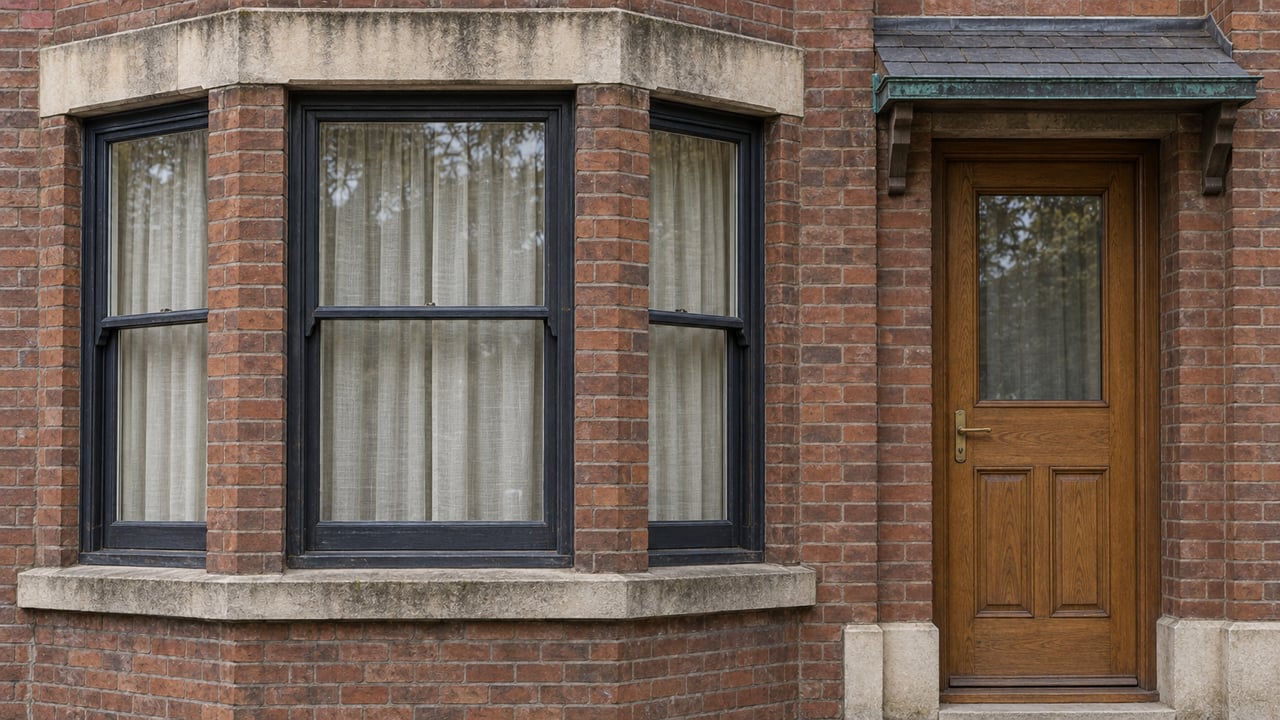
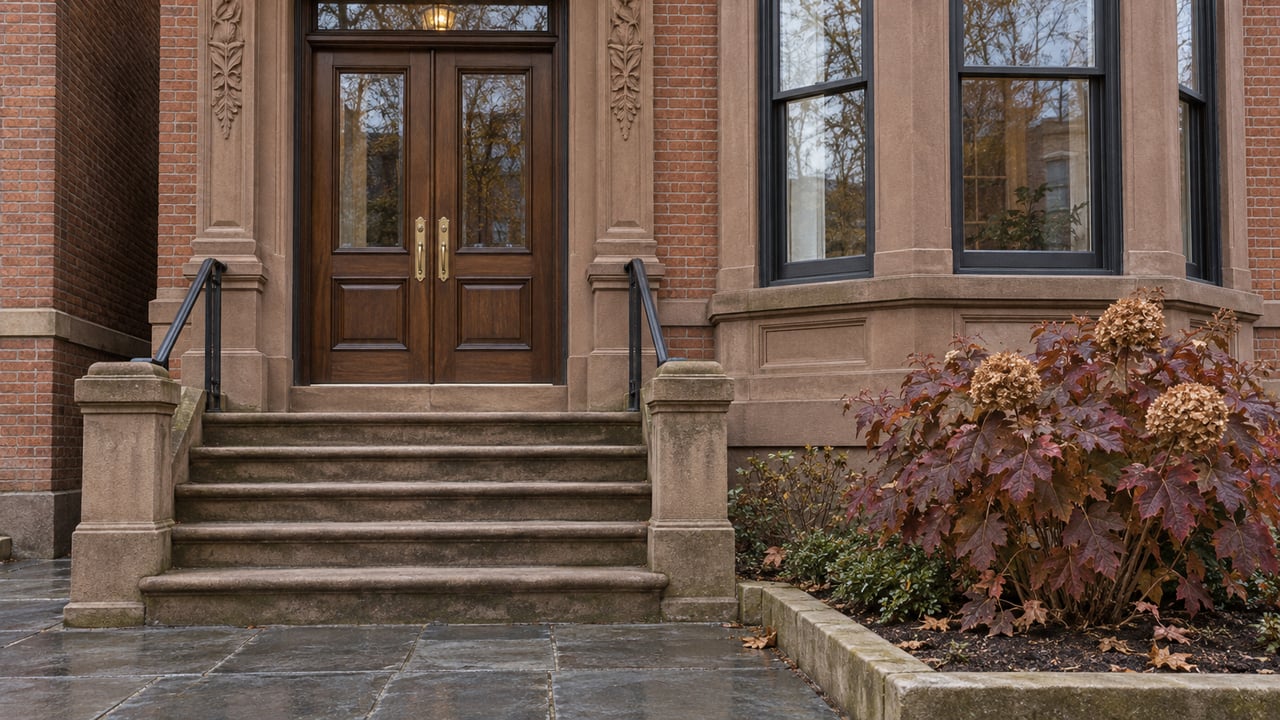
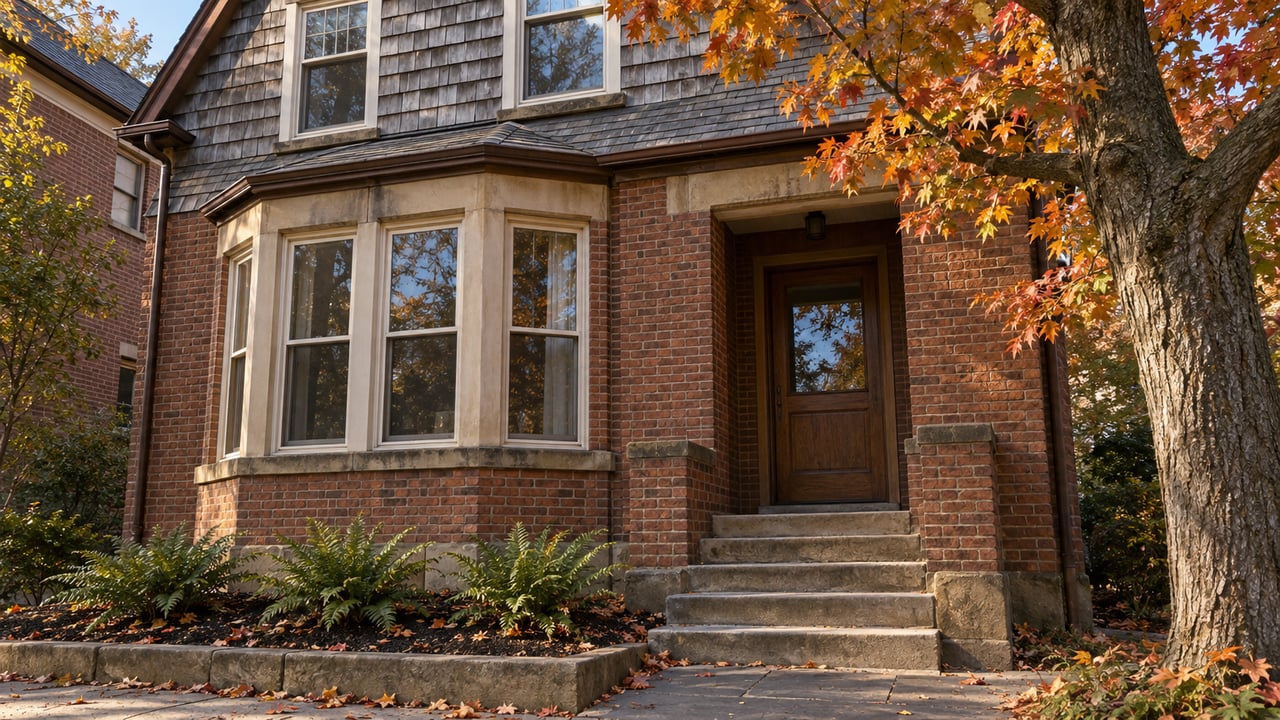
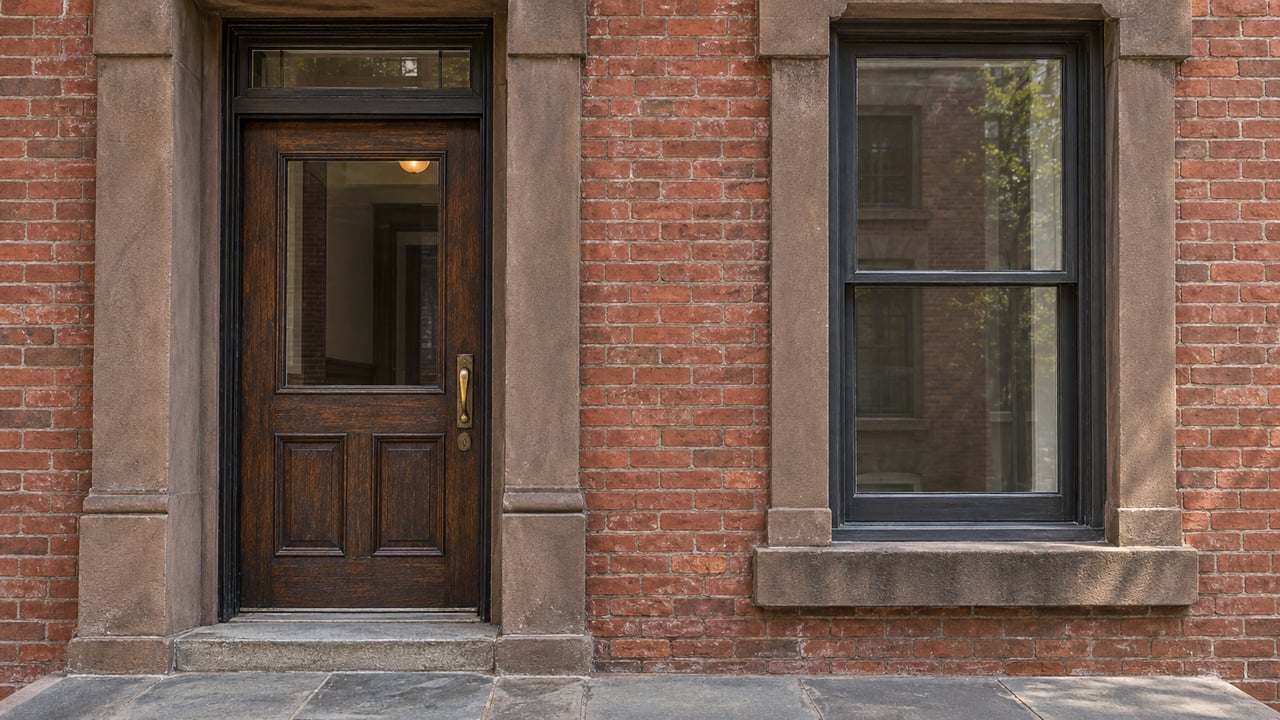
One of the clearest patterns across Queens is that housing style often gives you an early clue about how a neighborhood lives day to day. Official profiles show everything from apartment-heavy transit corridors to low-density blocks with detached homes and garden apartment communities.
That does not mean every block feels the same, but it does help you narrow your search. If you know the housing form you prefer, you can often get closer to the lifestyle pattern you want.
More Urban Clusters
Woodside includes residential and commercial areas and becomes more urban near Roosevelt Avenue. In Ridgewood, Maspeth, Middle Village, and Glendale, Queens Community Board 5 says the housing stock is mainly made up of attached homes ranging from one- to six-family residences.
For buyers and sellers in western and central Queens, this matters because housing type and neighborhood rhythm are closely linked. These areas often attract people who want practical access, established housing stock, and blocks that feel connected to the borough’s everyday working life.
More Residential Clusters
In Community Board 11, Auburndale is described as having garden apartments, low-rise apartment buildings, attached and semi-attached homes, and one- and two-family houses. Bayside is mostly single-family homes with some garden apartments, while Little Neck is described as a one-family, suburban-style neighborhood with a garden apartment cluster.
Oakland Gardens adds another variation, with a mix of single-family homes, two-family homes, and large cooperative garden apartment complexes. Utopia, in Community Board 8, is described as mostly one-family detached dwellings with attached homes only in select spots.
These descriptions reinforce an important point. In Queens, the kind of home you are considering often connects directly to commute style, commercial density, and how much open space you may feel around you.
How To Narrow Your Queens Search
If you are trying to make sense of Queens, start with your daily routine instead of a broad borough-wide label. A practical home search usually becomes clearer when you focus on a few lifestyle priorities first.
Here are a few smart questions to ask yourself:
- Do you want stronger subway and bus access for a daily commute?
- Would you rather live near a major park or near smaller local green spaces?
- Do you want dense restaurant and shopping options nearby, or a more residential setting with commercial strips close by?
- Are you drawn to apartments, attached homes, garden apartments, or one-family houses?
Once you answer those questions, neighborhood clusters start to make more sense. That is often the best way to approach Queens, because the borough rewards a more targeted search.
Queens is not one-size-fits-all, and that is part of its strength. If you want help narrowing down neighborhoods in western or central Queens based on your commute, lifestyle, or property goals, John O'Kane offers experienced, local guidance built on decades of Queens market knowledge.
FAQs
What is everyday living like in Queens, NY?
- Everyday living in Queens depends heavily on the neighborhood, with some areas offering more urban, transit-oriented living and others feeling more residential and suburban.
What are commute options in Queens for daily travel?
- Queens has subway service on multiple lines, a broad bus network, and Long Island Rail Road service, but the best fit depends on the neighborhood you choose.
Which parks stand out for outdoor living in Queens?
- Major parks include Flushing Meadows Corona Park, Alley Pond Park, and Forest Park, along with many smaller neighborhood parks and Greenstreets.
Where can you find shopping and dining in Queens neighborhoods?
- Shopping and dining are neighborhood-specific, with examples including Astoria, Long Island City, and Woodside in western Queens, Austin Street and nearby corridors in Forest Hills, and Bell Boulevard or Northern Boulevard in northeast Queens.
How does housing style vary across Queens?
- Queens includes apartment-heavy and attached-home areas in some neighborhoods, while others feature garden apartments, cooperative complexes, and one-family detached homes.
How should buyers choose a Queens neighborhood?
- A smart approach is to compare neighborhoods based on your commute needs, preferred park access, nearby commercial activity, and the type of home you want.