Thinking about moving just over the Queens line for more space without losing your city access? You are not alone. Many buyers look to western Nassau County for a suburban feel, village conveniences, and practical commutes. In this guide, you will learn how the border neighborhoods work, what daily life looks like, and the checks to run before you make a move. Let’s dive in.
Where the border neighborhoods are
Western Nassau runs along Queens from Valley Stream east to New Hyde Park, with several communities considered “right over the line.” These include Valley Stream, South and North Valley Stream, Elmont, Bellerose (village), Floral Park (village), New Hyde Park (village and hamlet), West Hempstead, and Stewart Manor. These places fall within the Town of Hempstead or the Town of North Hempstead, and many are incorporated villages with their own services.
Local identity can change block by block. One side of a street may sit inside an incorporated village with its own rules and amenities, while the other side is an unincorporated hamlet. Always confirm the exact village or hamlet for any property you are considering. That will affect services, taxes, and local permitting.
Neighborhood feel and housing stock
Village vibe, suburban space
You will find a near-city, near-suburbs mix. Village centers like Floral Park and parts of Valley Stream offer small downtowns with restaurants, pharmacies, and bakeries. Step a few blocks away and the setting shifts to low-rise residential streets, detached homes, and modest lots with driveways and yards.
What you will see on the block
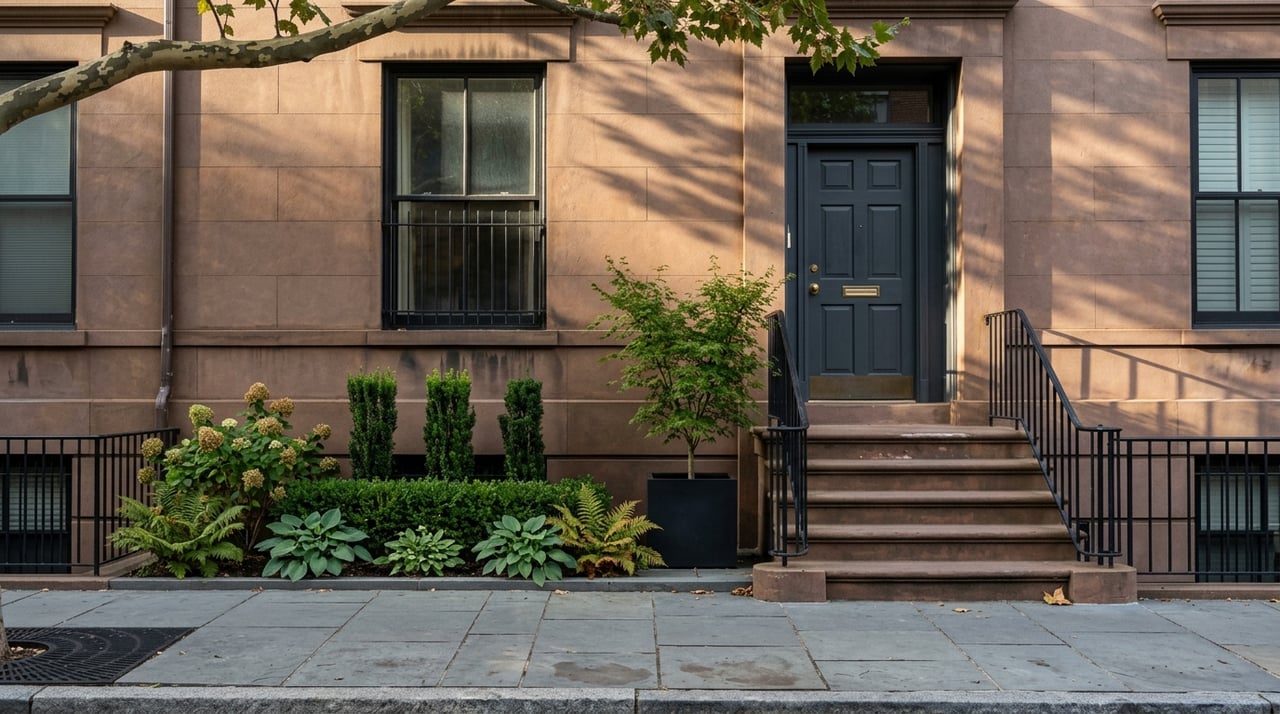
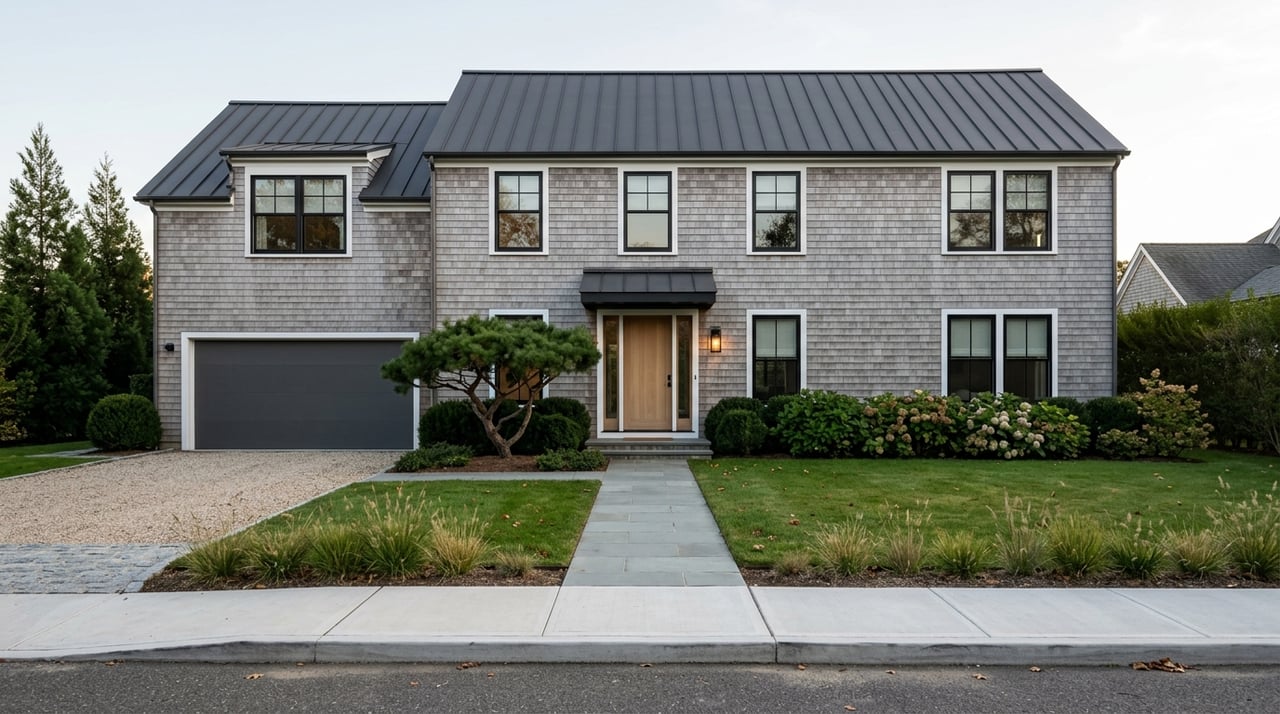
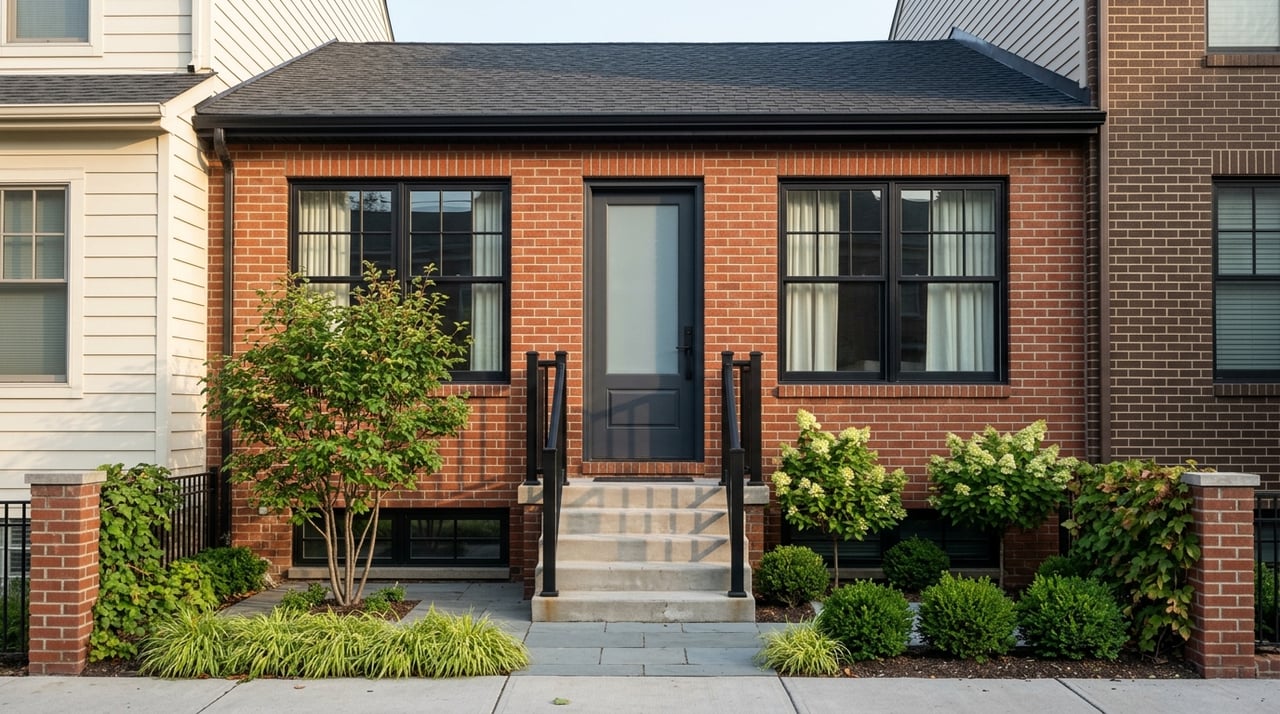
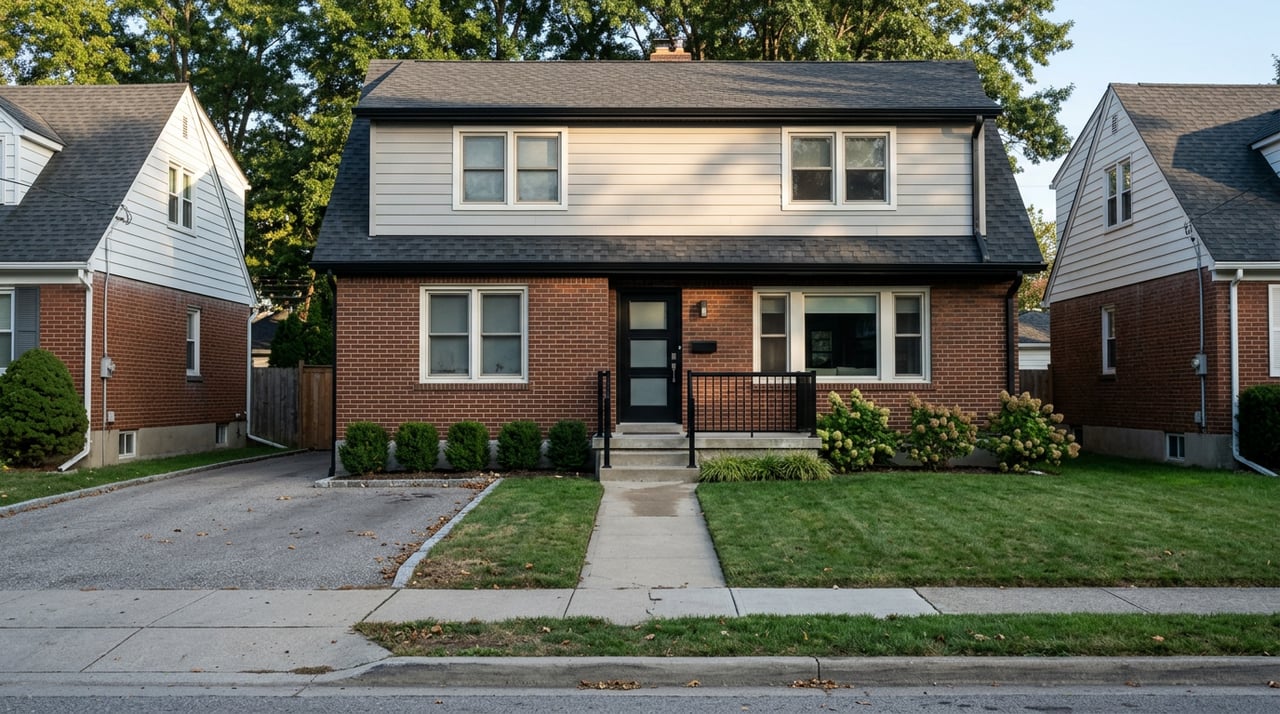
Housing near the line often includes prewar Colonials and Tudors in the older village pockets. Many blocks feature detached ranch or Colonial homes on suburban lots. You will also see garden-style apartment complexes and small multifamily buildings closer to commercial corridors or near the Long Island Rail Road tracks.
Prices and ownership context
At the county level, Nassau has a high owner-occupancy rate of about 81.9 percent, a median owner-occupied home value around $684,700, and a median household income near $146,202. Those figures frame the “more space, higher cost” tradeoff compared with much of Queens. Micro-markets vary block to block, so use current local sales for pricing and do not rely on county medians to price a specific village or street.
Getting around and commuting
LIRR access and recent upgrades
For most residents near the border, the Long Island Rail Road is the fastest link to Manhattan. Stations like Valley Stream, Floral Park, New Hyde Park, and West Hempstead offer direct or one-transfer trips to city hubs. Recent Main Line improvements have strengthened reliability on some routes, and the new Elmont–UBS Arena station just east of the Queens line has changed options near Elmont and Bellerose.
The practical advantage of close-in Nassau is station access and suburban parking. You may find it easier to get a seat and a predictable schedule compared with many Queens subway options. Keep in mind that LIRR fares and zones are different from the subway. Always compare door-to-door times and costs during the hours you plan to travel.
Buses that connect your day
Nassau Inter-County Express (NICE) runs buses that connect these neighborhoods to LIRR stations, shopping centers, and to Jamaica. On the Queens side, several MTA Q-routes reach the border, creating cross-borough links to transit hubs. If you rely on bus transfers, check frequency and late-evening service when you plan your commute.
Driving on parkways and arterials
Daily driving usually involves the Southern State Parkway, Northern State Parkway, Meadowbrook Parkway, and major surface roads like Jericho Turnpike, Hempstead Turnpike, and Sunrise Highway. The Cross Island Parkway on the Queens side is a key connector. Traffic can be heavy during peak hours, so run a test drive at your actual commute time and note any road work that could affect your route.
Schools, parks, and everyday amenities
How school districts work here
In parts of western Nassau, high school placement is handled by central high school districts. The Sewanhaka Central High School District serves several border communities through schools such as Floral Park Memorial, Elmont Memorial, New Hyde Park Memorial, H. Frank Carey, and Sewanhaka High School. Elementary grades can fall under separate union free districts, such as Floral Park–Bellerose UFSD. Because assignments vary by address, verify the exact school routing with the district registrar before you make an offer.
Parks and outdoor time
If you enjoy the outdoors, you have strong options. Hempstead Lake State Park in the West Hempstead area offers trails, lakes, playgrounds, and an Environmental Education and Resiliency Center. Eisenhower Park in East Meadow provides athletic fields, golf courses, an aquatic center, and seasonal events. Many villages also maintain local parks and playgrounds that add to the suburban village feel.
Shopping and services
For regional shopping, Green Acres Mall in Valley Stream is a major draw close to the Queens border and has been undergoing multi-year redevelopment. Roosevelt Field in Garden City is another large retail destination within a short drive of most border communities. Day to day, village main streets and local strips offer groceries, pharmacies, casual dining, and services that keep errands simple.
Cost and taxes, what to plan for
Nassau County’s mean travel time to work is about 36 minutes, which fits the profile of door-to-door commutes that blend LIRR rides, bus links, and local driving. Housing costs and local taxes are meaningful considerations here. Property taxes vary widely by village, school district, and special districts, and they are assessed locally. For accuracy, request recent tax bills for any property you are evaluating and compare them alongside your mortgage and insurance estimates.
For market context and pricing, pull recent closed sales and current active listings that match the block and property type. County medians are good for background, but they do not describe a village-level micro-market. If you are comparing homes near the line with Queens options, evaluate house size, lot size, condition, and school routing along with taxes and commuting costs.
Who the border area fits
If you want more indoor and outdoor space with a short hop to Queens and Manhattan, these neighborhoods are worth a look. You can live on a tree-lined street, walk to a local village center in some areas, and still reach a city job by train. Many residents use a hybrid pattern, working from home part of the week and riding the LIRR or NICE to city transit hubs on office days.
Small investors may also find opportunities in garden-style buildings and small multifamily properties near commercial corridors. If that is your focus, analyze rent rolls, expense ratios, and local permitting carefully. Western Nassau’s proximity to Queens expands your tenant pool while suburban settings can support stable occupancy.
Quick checklist when comparing homes
- Map the precise village or hamlet boundaries, and note school district, sewer district, and tax district lines for the exact address.
- Run a door-to-door commute trial at your typical hours by LIRR, bus, and car, including parking time and transfer waits.
- Check station parking rules and permit requirements, and observe lot capacity during peak hours.
- Confirm nearby NICE and MTA bus routes that serve your block, and test trip times to Jamaica or your target LIRR station.
- Time your drive to Green Acres and Roosevelt Field, and note grocery, pharmacy, and services within a 5 to 10 minute radius.
- Pull two recent closed comps that match your home type and the same micro area, and review current active inventory for competition.
- Request recent property tax bills for the property or a close comparable in the same village, and review any village permit or architectural board requirements.
Working with a local advisor
Border searches benefit from local nuance. Village lines, school routing, permits, and transit options can shift in just a few blocks. With 35 plus years in Queens and regular work across Nassau and Suffolk, our team can help you compare neighborhoods on both sides of the line, price accurately, and plan a smooth transition. If you are buying, selling, or exploring a 1031 exchange, reach out to discuss your goals with John O'Kane.
FAQs
What neighborhoods are considered near the Queens-Nassau border?
- Communities often include Valley Stream, South and North Valley Stream, Elmont, Bellerose (village), Floral Park (village), New Hyde Park (village and hamlet), West Hempstead, and Stewart Manor in the towns of Hempstead or North Hempstead.
How long is the commute from border towns to Manhattan?
- Countywide, the mean travel time to work is about 36 minutes, but your door-to-door time depends on the nearest LIRR station, bus transfers, parking, and your final Manhattan destination.
Which high schools serve Floral Park, Elmont, and New Hyde Park?
- Many addresses in these communities are served by the Sewanhaka Central High School District, while elementary grades may be in separate union free districts, so verify by exact address with the district.
Are property taxes higher in Nassau County than Queens?
- Nassau is known for higher housing costs and meaningful local taxes and fees that vary widely by village and district, so review recent tax bills for the specific property before you commit.
Is parking available at LIRR stations near the border?
- Most close-in Nassau stations offer parking with village or town permits and daily options, but capacity and rules vary, so confirm details and observe lots during peak hours.
What are the biggest parks and malls near the border?
- Hempstead Lake State Park and Eisenhower Park are major open spaces, while Green Acres Mall in Valley Stream and Roosevelt Field in Garden City are key regional shopping destinations.