Wondering how Nassau County’s housing market really works? Whether you are moving from Queens or planning a sale on Long Island, understanding the basics helps you set clear expectations and make confident decisions. In this guide, you’ll learn the housing types you’ll see, the key indicators that drive pricing and speed, and practical strategies for buyers and sellers. Let’s dive in.
Housing mix at a glance
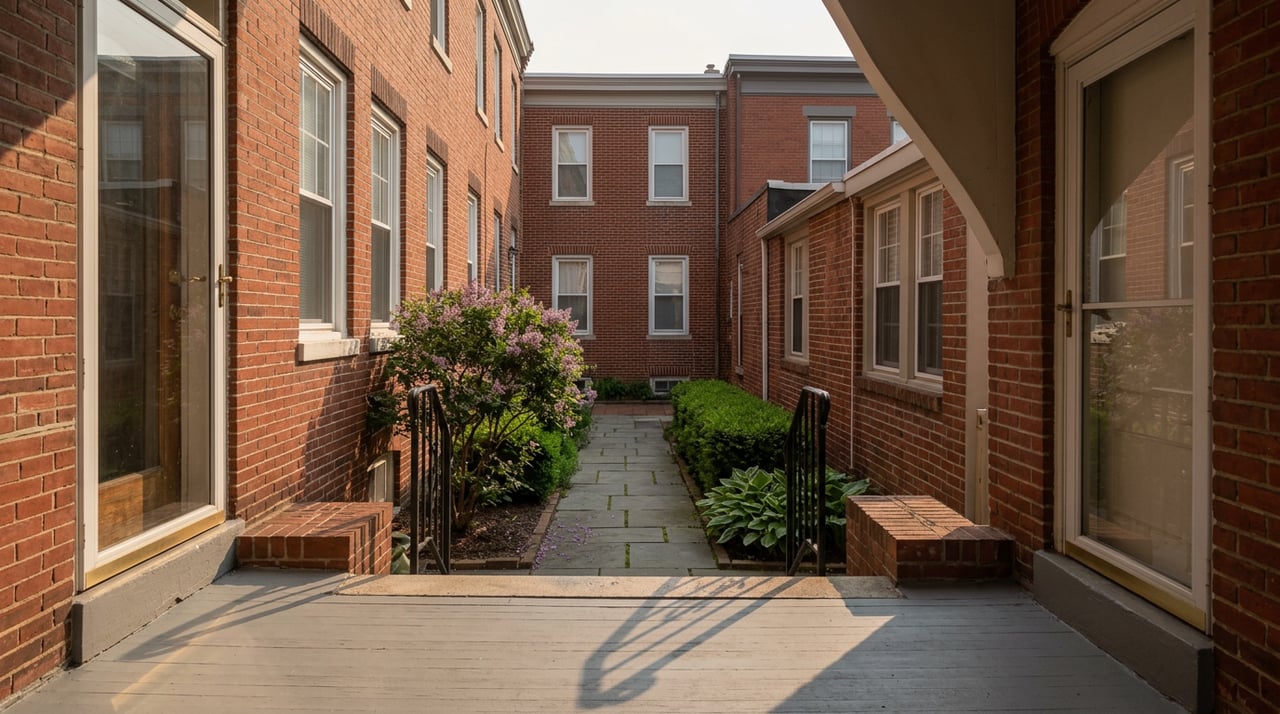
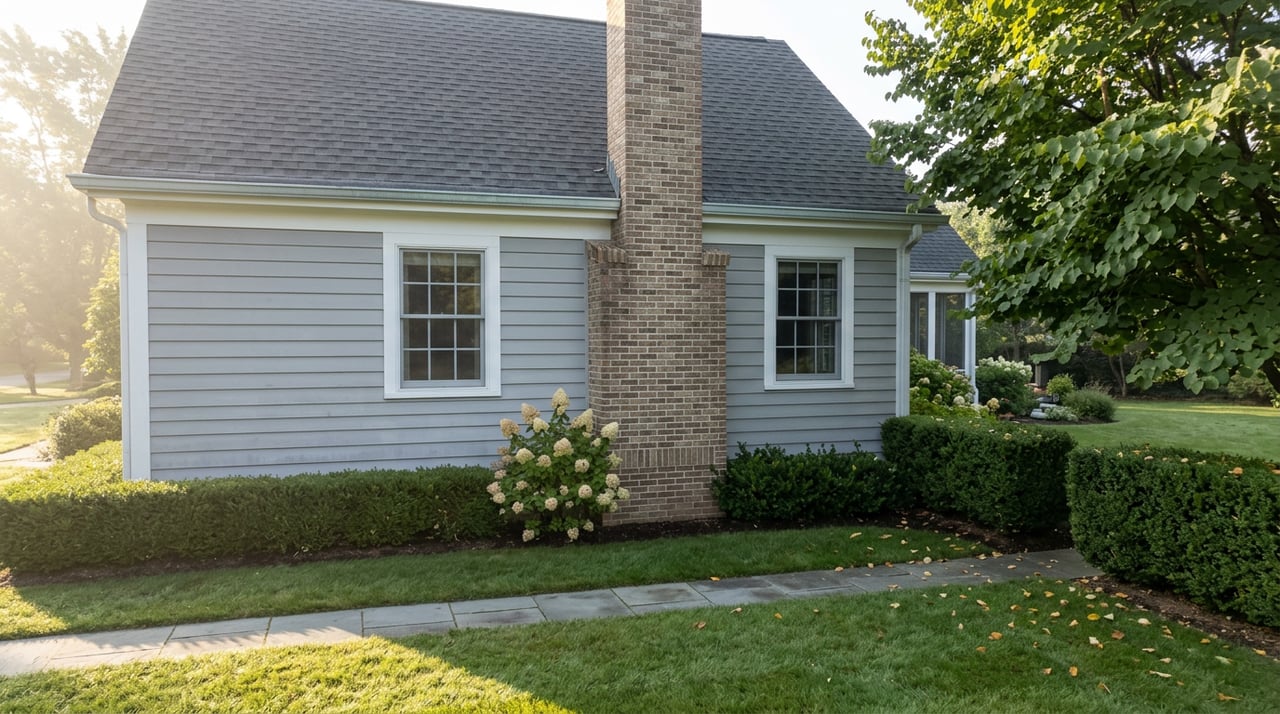
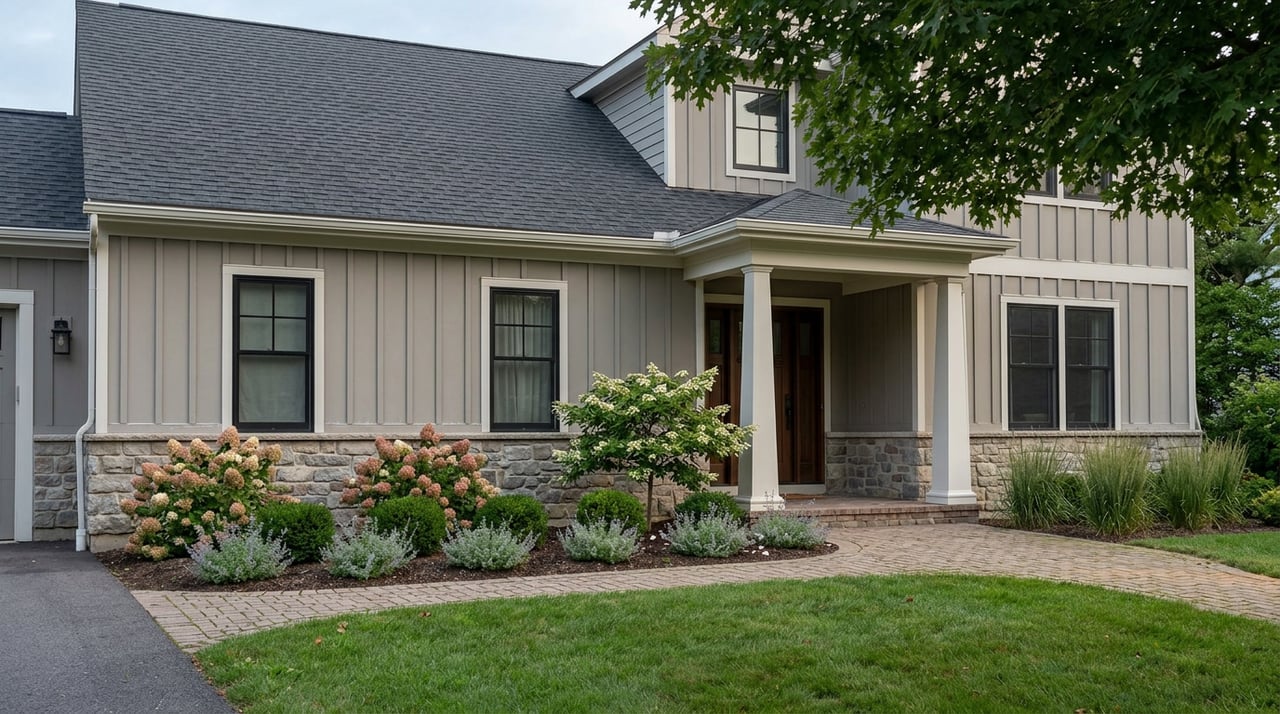
Nassau County is primarily suburban. Single-family detached homes make up most neighborhoods across its towns and villages. You will also find attached townhouses, garden and low-rise condominiums, and co-ops in denser areas and near major transit.
Housing ages vary widely. Some homes date to the early 20th century, while others are recent infill or renovations. Multi-family properties appear in select corridors, especially closer to New York City and commuting routes.
What drives pricing locally
Several factors shape pricing and demand across Nassau:
- Commute access. Proximity to the Long Island Rail Road and major highways often commands stronger demand and higher pricing.
- Property taxes. Nassau County and local school district tax rates are a significant part of your monthly cost and can be decisive for buyers.
- Zoning and feasibility. Local zoning, historic districts, and building codes affect how easily homes can be expanded or renovated, which influences value.
- Demographics. Nassau has high homeownership rates and an older median age than many U.S. metros, which affects turnover and demand patterns.
School district boundaries and commute times are major considerations for many buyers. Small differences in commute or school boundary lines can translate into meaningful price differences within the same area.
Inventory and seasonality
Supply and demand shift during the year. Here is what typically happens:
- Spring, March to June. Peak new listings and showings. Many sellers list to close in late spring or early summer. This is often the most competitive period for buyers.
- Summer, June to August. Activity continues, though attention can dip mid-summer as families travel. Moves are often timed for the school year.
- Fall, September to November. Activity picks up after Labor Day. Inventory is lower than spring, which can create opportunities for buyers and sellers who missed earlier timelines.
- Winter, December to February. Lowest listing volume and a slower pace. Buyers tend to be more price sensitive, and some sellers on market may be more motivated.
Key market metrics to watch
You do not need to track everything, but these indicators help you read the market:
- Active listings. How many homes are for sale now.
- New listings. The flow of fresh options entering the market.
- Pending sales. Accepted offers that show current demand.
- Closed sales. Completed deals, useful for verifying pricing.
- Median sale price. The middle of the price distribution, less skewed by outliers.
- Days on market (DOM). How quickly homes go under contract.
- Months of inventory (MOI). Active listings divided by average monthly sales.
MOI gives a quick read on market balance:
- Under about 3 months indicates a seller’s market.
- Around 3 to 6 months indicates a balanced market.
- Over about 6 months indicates a buyer’s market.
In Nassau County, MOI and DOM vary by town, price range, school district, and proximity to transit. Always compare within the same segment before making decisions.
List-to-sale dynamics
Your starting list price sets the tone. Overpricing usually leads to longer DOM and more price reductions. Competitive, well-supported pricing can draw multiple offers and a stronger final sale price.
Condition and marketing matter. Clean presentation, small cosmetic updates, and solid exposure can raise perceived value and the offer quality you receive.
Be aware of appraisal gaps. If bidding pushes a contract above the appraised value, you may need to negotiate credits or bring additional cash. Plan for possible outcomes around appraisal and financing contingencies.
Buyer playbook in Nassau County
Entry-level homes and properties near transit often draw the most competition. To stand out:
- Get pre-approved, not just pre-qualified, before touring.
- Consider escalation clauses and clear decision timelines.
- Be flexible on closing dates when possible.
- Calibrate contingencies to the segment. In competitive areas, limited contingencies can strengthen your offer. In slower segments, you may have more room to negotiate repairs and credits.
- Focus searches by commute and school boundaries that meet your needs, then compare recent pending and closed sales in that micro-area.
Seller playbook and timing
Nassau County sellers succeed with preparation and pricing discipline:
- Price to the market. Choose a list price that aligns with the most recent comparable sales and active competition.
- Prepare for showings. Declutter, improve curb appeal, and complete high-ROI cosmetic fixes. Staging can help buyers visualize the space.
- Use timing strategically. Spring often brings the largest buyer pool. That said, well-priced listings in fall and winter can also perform when competition is lower.
Setting realistic timelines
“How long will it take to sell?” depends on your town, price band, and season. Lower-priced homes near transit or within in-demand school boundaries can move in weeks. Higher-priced or niche properties may take months, especially outside of spring.
Ask for a local MLS snapshot that shows recent DOM and months of inventory for your specific town, ZIP code, and price range. Segmenting the data keeps expectations realistic and guides pricing and prep decisions.
Property taxes and total cost
Property taxes are a substantial line item in Nassau County. When you assess affordability, calculate your full monthly housing cost:
- Principal and interest
- Property taxes
- Homeowners insurance
- HOA or condo fees if applicable
This full view helps you compare options across different towns and school districts and avoid surprises after closing.
Interest rates and broader trends
Mortgage rate cycles directly impact affordability and buyer competition. When rates rise, monthly payments increase and some buyers step back, which can lengthen days on market and ease bidding. When rates ease, demand can return and competition can tighten again. Limited buildable land and local zoning constraints can keep supply relatively tight in parts of Nassau, so rate shifts may show up quickly in buyer activity.
How to track the market
You can monitor the market without getting overwhelmed by following a simple cadence:
- Weekly. New listings and pending sales to sense current momentum.
- Monthly. Median sale price, closed sales, DOM, and MOI by your town and price band.
- Quarterly. Bigger-picture trends like rate shifts and local employment.
- Annually. Demographic shifts, tax assessments, and school district reports.
Ask for clearly defined metrics. Different sources may define DOM, active inventory, or median price differently. Always compare apples to apples when you review reports.
Practical next steps
- Define your target areas by commute time and school boundaries that meet your needs.
- Get a segmented MLS snapshot for the exact towns and price ranges you are considering.
- For buyers, secure a strong pre-approval and discuss offer strategies for your segment.
- For sellers, complete a pricing analysis and a short prep list two to four weeks before listing.
If you are moving between Queens and Nassau or weighing sale timing against a purchase, you can save time by coordinating both sides with an advisor who understands both markets.
Ready to map out your plan in Nassau County? Connect with a local advisor who combines neighborhood experience with a clear, data-informed process. Call or message John O’Kane to discuss your goals and next steps.
FAQs
What types of homes are common in Nassau County?
- Single-family houses dominate, with condos, co-ops, and townhouses more common in denser areas and near transit.
When is the best time to sell in Nassau County?
- Spring typically brings the most listings and buyers, but well-priced homes can also sell in fall and winter when competition is lower.
How competitive is buying a starter home in Nassau County?
- Entry-level homes often see stronger competition, especially near commuting options or within school boundaries many buyers prioritize.
How do school districts affect home prices in Nassau County?
- School district boundaries are a major consideration for many buyers and can contribute to price differences between nearby areas.
What is months of inventory and why does it matter?
- Months of inventory compares active listings to sales pace and signals market balance, with lower MOI favoring sellers and higher MOI favoring buyers.
How long does it take to sell a home in Nassau County?
- Timelines range from weeks in faster segments to months for higher-priced or niche properties, and vary by town, price band, and season.
How do property taxes impact affordability in Nassau County?
- Taxes are a significant part of monthly costs, so include them along with mortgage, insurance, and any HOA fees when evaluating affordability.
How can I track the Nassau County market effectively?
- Review weekly new and pending listings, monthly DOM and MOI by your town and price range, and ask for clearly defined MLS snapshots.