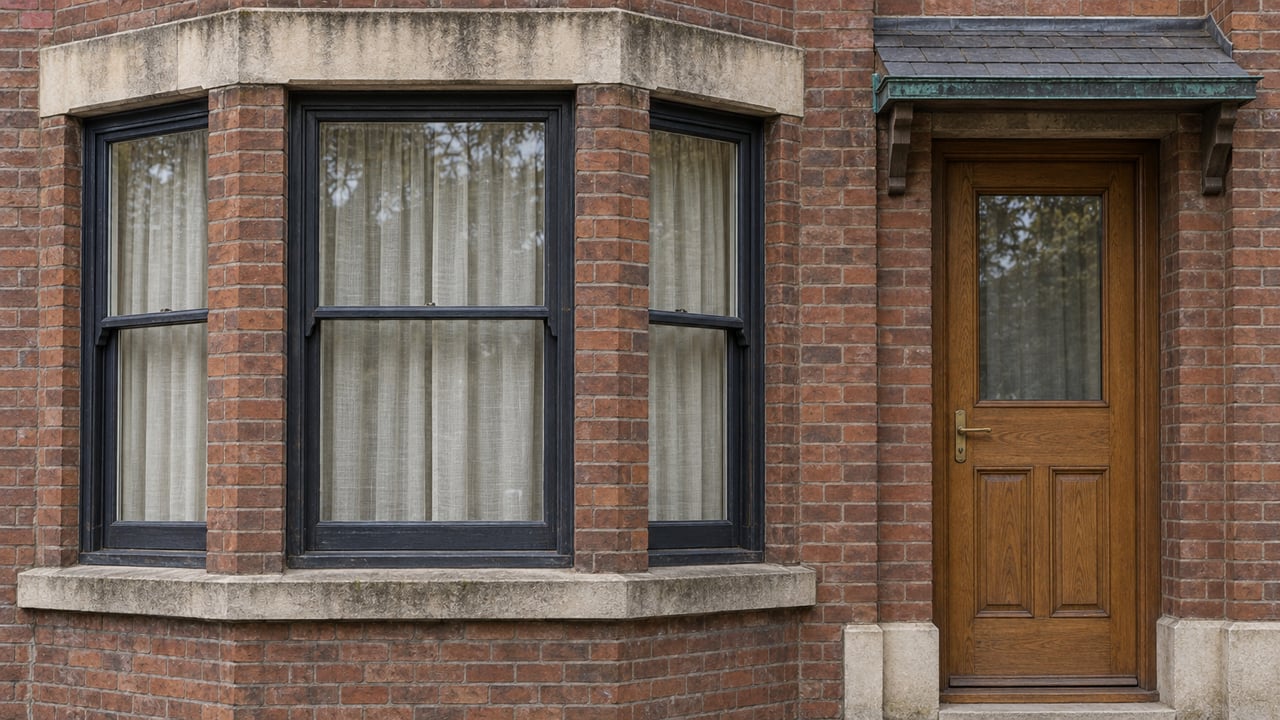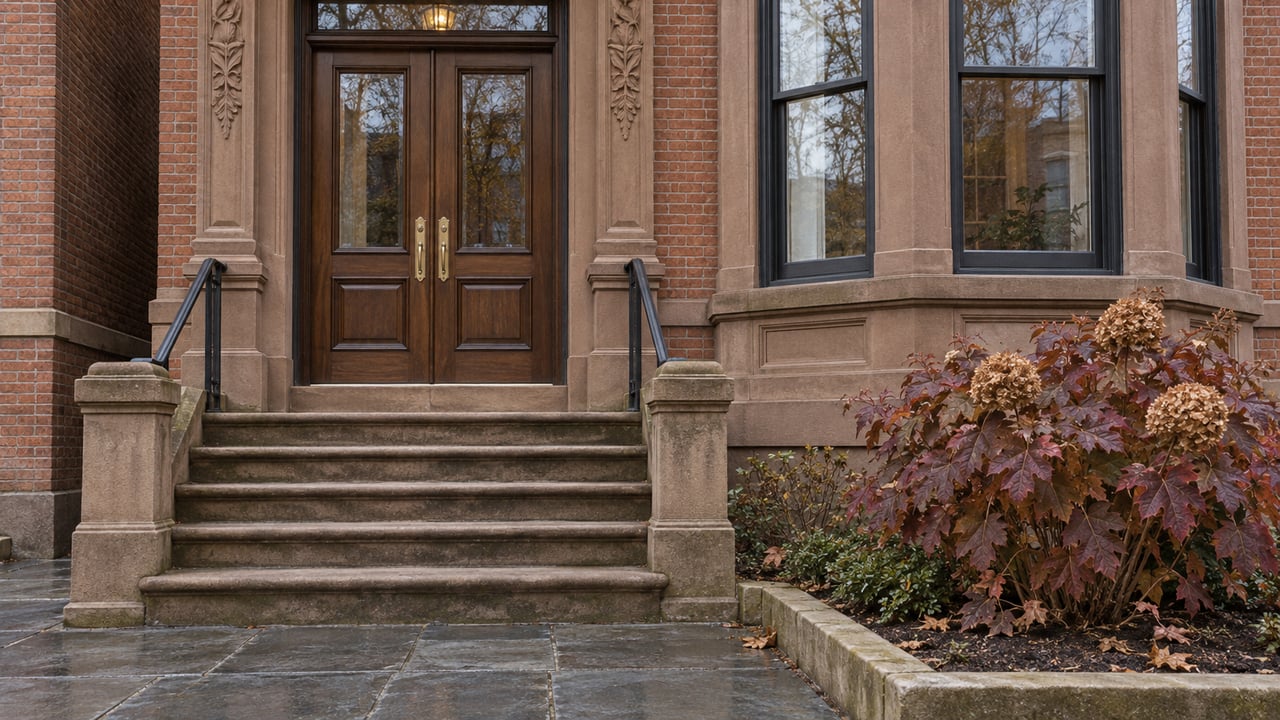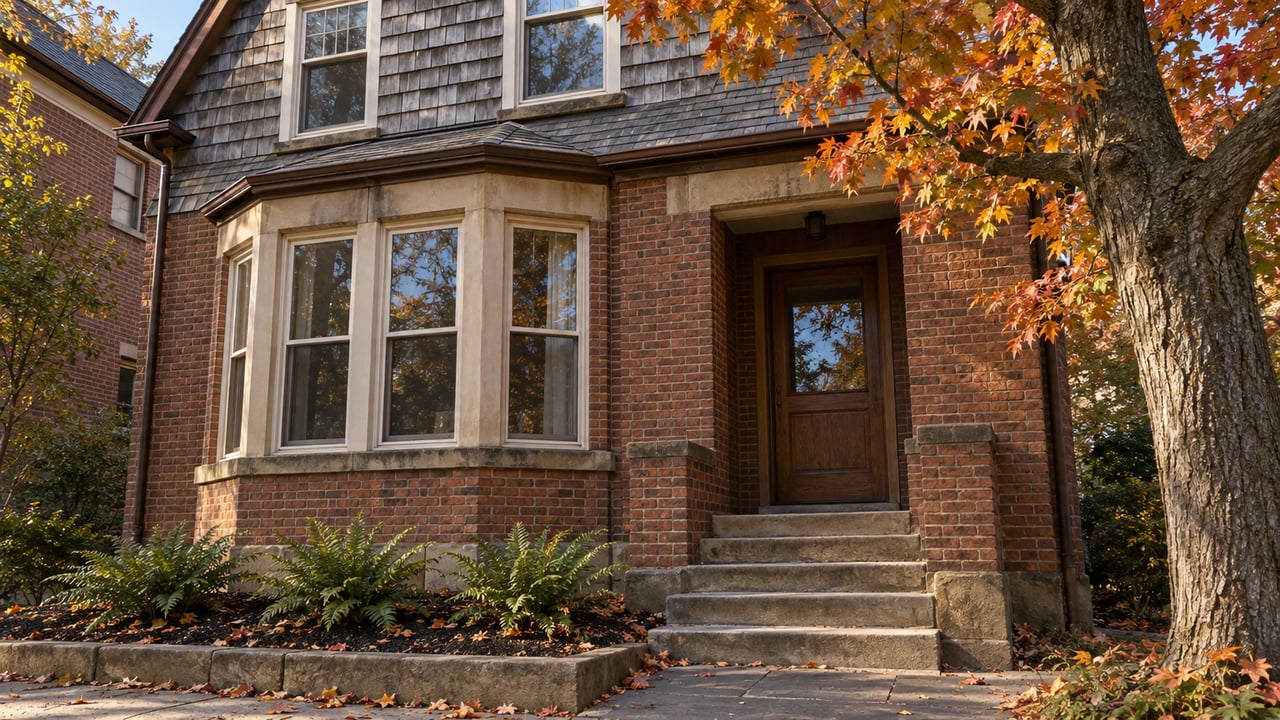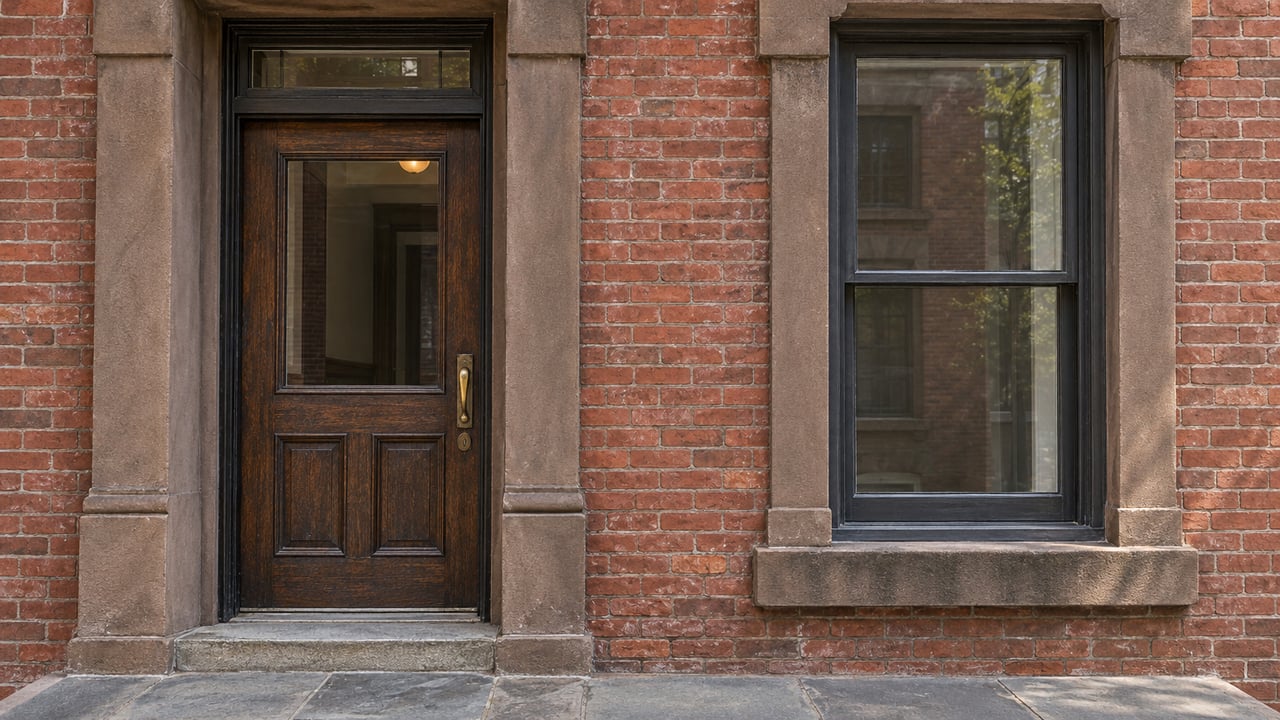
On July 1, 2026, two Brooklyn walk-ups with six apartments each changed hands. 1277 Lincoln Place in Crown Heights is all free-market. It sold for $4.8 million, or $800,000 per unit. 596 Humboldt Street in Greenpoint has five rent-stabilized apartments out of six. It sold for $1,689,000, or $281,500 per unit.
Both buildings have six units and closed the same day. One sold for almost three times as much per apartment.
Part of that gap is size. Lincoln Place has 7,308 square feet and Humboldt has 3,750, so the Crown Heights apartments are roughly twice as large. On a per-square-foot basis the spread drops to $657 versus $450. That is still a 46 percent premium per square foot for the free-market building. For a Brooklyn small-building buyer or seller, then, the first question about a building is its regulatory status, not its block. In most cases that status was settled long before anyone now involved in the sale owned it.
The Comps Most People Pull Mix Two Different Products
A blended median puts both kinds of building in one number. These five July 2026 Brooklyn sales show what that hides.
| Address | Neighborhood | Units | Rent Status | Sale Price | $/SF | $/Unit |
|---|---|---|---|---|---|---|
| 1277 Lincoln Pl | Crown Heights | 6 | Free market | $4,800,000 | $657 | $800,000 |
| 596 Humboldt St | Greenpoint | 6 | 5 stabilized | $1,689,000 | $450 | $281,500 |
| 1255 Decatur St | Bushwick | 8 | Free market | $4,950,000 | $863 | $618,750 |
| 1051 New York Ave | East Flatbush | 8 | Free market | $2,550,000 | $455 | $318,750 |
| 395 Washington Ave | Clinton Hill | 14 | 12 stabilized | $3,410,000 | $298 | $243,572 |
The East Flatbush building and the Greenpoint building sold within $5 per square foot of each other. The Clinton Hill building came in lowest per square foot of the five. Twelve of its fourteen units are stabilized.
Across July 2026, Brooklyn recorded 21 qualifying sales of rental buildings with five or more units, at a median of about $281,500 per unit. That median happens to match the Greenpoint sale to the dollar. It falls about $518,000 below the Crown Heights sale. A buyer or seller who prices off that one figure is pricing a building that doesn't exist.
Why the Line Can't Be Moved
The split holds because the rule that creates it doesn't respond to anything a current owner does. Under New York State Homes and Community Renewal's (HCR) guidance, rent stabilization in New York City generally applies to buildings with six or more units built between February 1, 1947 and December 31, 1973. Tenants in pre-1947 buildings who moved in after June 30, 1971 are also covered. A separate category covers some buildings of three or more units built or renovated after 1973 with special tax benefits.
The obvious workaround has already been tested. HCR's published guidance takes up the case of a landlord who combines two apartments and takes a building from six units to five. The agency says the building stays stabilized because it had six units on the base date, and the courts have upheld that ruling. Today's unit count doesn't decide coverage. The count on the base date does.
Turnover used to be the second way out. The Housing Stability and Tenant Protection Act of 2019 took effect June 14, 2019 and ended high-rent vacancy deregulation and high-rent/high-income deregulation, with an exception for 421-a(16) apartments. Apartments lawfully deregulated before that date stay deregulated. Units that were still stabilized on that date now remain stabilized when a tenant leaves.
For these buildings, a buyer is paying for a fixed share of regulated units and the rent rules that come with them. The upside that once came with turnover is gone.
The Narrow Exits That Remain
Two mechanisms can still change a stabilized building's economics. Both require spending on the building, and both run through HCR's rules.
Substantial rehabilitation. HCR recognizes an exemption for buildings that were substandard or seriously deteriorated and then rebuilt. The criteria include replacing at least 75 percent of building-wide and apartment systems and bringing the building up to applicable codes. For work started on or after January 1, 2024, owners must apply within one year of completion and receive a DHCR determination. It amounts to a gut renovation with an application attached, and approval isn't automatic.
Individual Apartment Improvements. According to HCR's Revised Operational Bulletin 2024-2, after 2019, IAI increases were capped at $15,000 and limited to three per 15-year period. Changes effective October 17, 2024 raised the ceilings to as much as $30,000 or $50,000 under tiered conditions and removed the general three-IAI cap. Underwriting that still assumes the 2019 cap is working from an outdated rule. The current tiers come with conditions that need to be checked unit by unit.
Neither route turns a 596 Humboldt into a 1277 Lincoln Place. They can narrow the gap on specific units, but only at the price of real capital, real paperwork, and time.
The Freeze Widens a Gap That Was Already There
On June 25, 2026, the Rent Guidelines Board's Order #58 set a 0 percent increase for both one-year and two-year stabilized leases starting between October 1, 2026 and September 30, 2027. For the stabilized share of a building, that means no guideline rent increase for a full lease year.
The freeze took effect October 1 while a landlord lawsuit is still pending, NY1 reported. A September court order required the release of written communications between the mayor's office and the board, but it did not vacate the rent order. The New York Post reported on October 2 that more than 100 messages had been released. The piece described them as largely routine and noted that no ruling had overturned the freeze. Any underwriting done this fall should treat 0 percent as the operating assumption and the lawsuit as an open question.
The borough data shows the same split at scale. Ariel Property Advisors' H1 2026 Brooklyn report, released in July 2026, puts multifamily volume at $1.46 billion for the first half, down 19 percent from H1 2025. Buildings with 10 or more units, where regulated units are most common, fell 30 percent to $850 million. Smaller multifamily assets rose 16 percent to $410.1 million, as local owner-operators stayed active in buildings under six units.
The same report's pricing table puts the borough-wide average at $333 per square foot for H1 2026, the lowest since 2015. Cap rates rose to 7.06 percent from 6.96 percent in 2025, and the gross rent multiplier rose to 9.21 from 8.71. Ariel notes that these blended metrics mask a widening divide, with free-market, transit-oriented assets still pricing strongly while deeply rent-stabilized properties trade at significant discounts to prior-cycle valuations. Ariel's Q2 2026 tiers for 10-plus-unit buildings, which use trailing six-month data, show free-market assets at $510 per square foot. Buildings 50 to 75 percent stabilized averaged $320, and those 75 percent or more stabilized averaged $167. At the deeply regulated end, Summit Properties bought the 2,692-unit Brooklyn portion of Pinnacle Group's stabilized portfolio, centered in Flatbush, for $212.9 million, about $79,000 per unit.
No published source says buyers are choosing sub-six-unit buildings because of the freeze. Still, a rule that can't be escaped and a guideline increase of zero both push in the direction the volume numbers show.
What to Pull Before Pricing a Brooklyn Walk-Up
- The DHCR rent registration history for every unit. Owners of stabilized buildings must register rents with HCR's Office of Rent Administration every year. A rent roll shows current rents. The registrations show which units are actually regulated.
- The build date and the unit count on the base date. A five-unit building that once had six may still be covered.
- Any deregulation claim and its date. Units deregulated before June 14, 2019 stay deregulated. Claims made after that date need close review.
- Any IAI or rehab work and the rule that applied to it. The 2024 IAI changes and the 2024 substantial-rehab application deadline both turn on when the work was done.
- Comps sorted by rent status before neighborhood. The July table shows East Flatbush free-market and Greenpoint stabilized landing in the same place per square foot.
Questions Owners and Buyers Ask
Does combining apartments take a building below the six-unit threshold? Not under HCR's published position. The building stays covered because it had six units on the base date, and courts have upheld that reading.
Is the 2026 rent freeze final? It has been in effect since October 1, 2026 for leases running through September 30, 2027. The landlord lawsuit is still pending, and as of early October no ruling had vacated the order.
Do buildings under six units fall outside stabilization entirely? Generally yes, under the six-unit rule for buildings from 1947 to 1973. Buildings of three or more units that were built or renovated after 1973 with special tax benefits can be stabilized while those benefits last. A building's specific history decides coverage.
If you own a Brooklyn walk-up or are weighing an offer on one, the rent status of each unit will move the number more than anything else on the setup sheet. John O'Kane brings more than 35 years of local market experience to multifamily valuation and 1031 exchange work, and he can go through the registration history and the right comps with you before you set a price. Call John for a consultation.
This article is general information, not legal, tax or financial advice. Consult a qualified professional about your situation.