Are you drawn to the idea of a Brooklyn brownstone block, but want to know what day-to-day life actually feels like before you make a move? That is a smart question, because classic brownstone living is about much more than a pretty facade. If you are exploring Brooklyn, this guide will help you understand how these areas work at street level, what ownership often involves, and how one neighborhood experience can differ from another. Let’s dive in.
What Brownstone Living Usually Means
In Brooklyn, “brownstone living” often refers to life in historic rowhouse neighborhoods shaped by 19th-century growth and transit. Many of the best-known brownstone areas are not just casual neighborhood labels. They are protected historic districts recognized for architectural and historic significance.
That matters because the look and feel of these blocks is part of what gets protected. The Landmarks Preservation Commission includes areas such as Brooklyn Heights, Park Slope, Prospect Heights, Cobble Hill, Carroll Gardens, Boerum Hill, Clinton Hill, and Bedford Stuyvesant and Expanded Stuyvesant Heights on its Brooklyn historic district map.
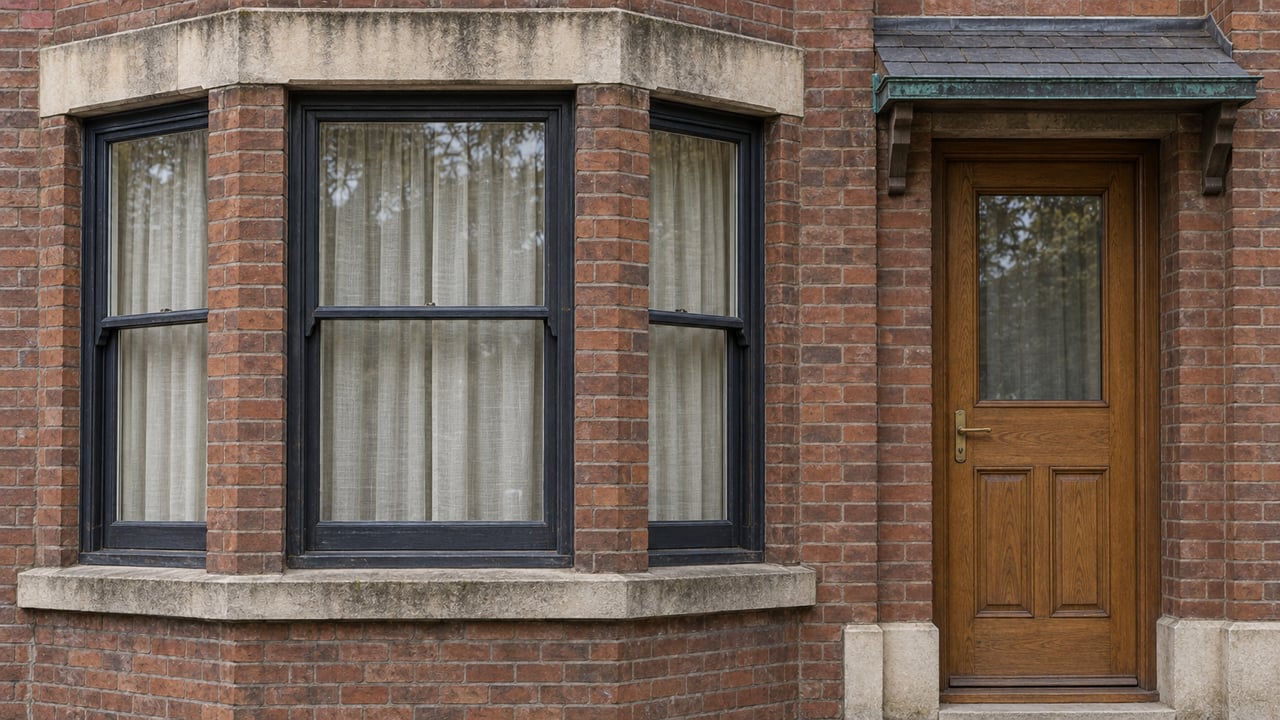
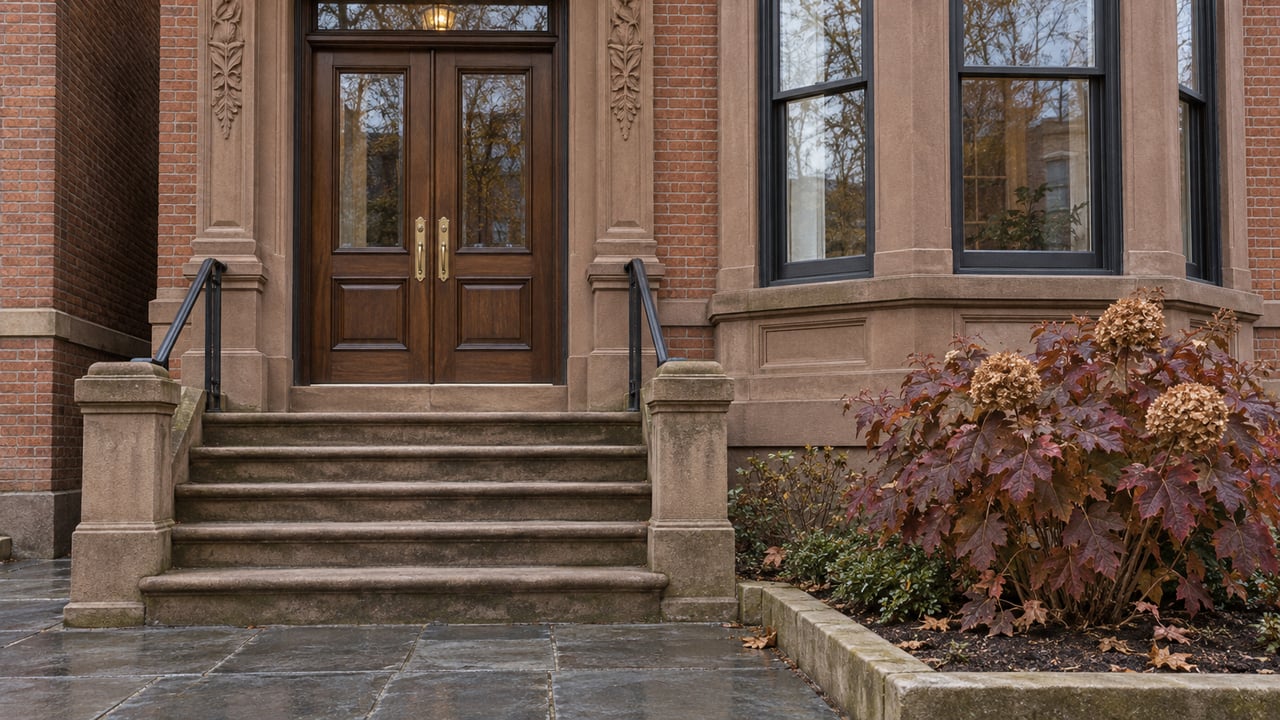
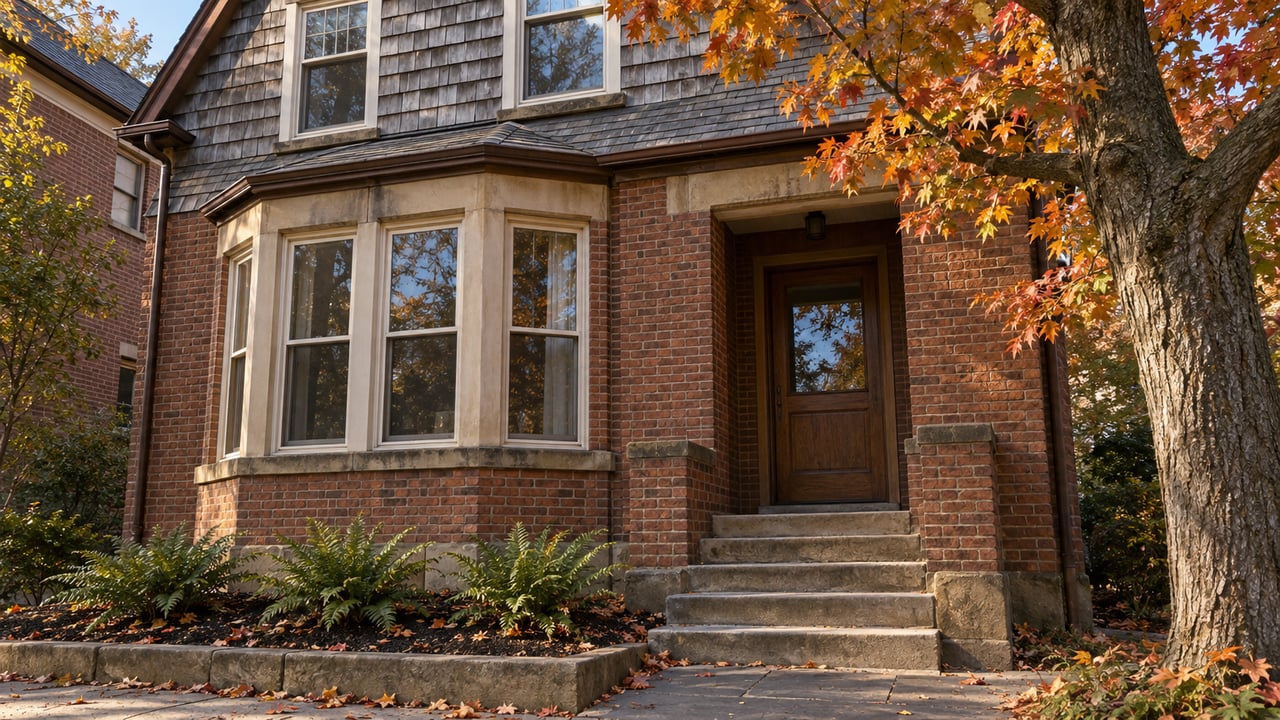
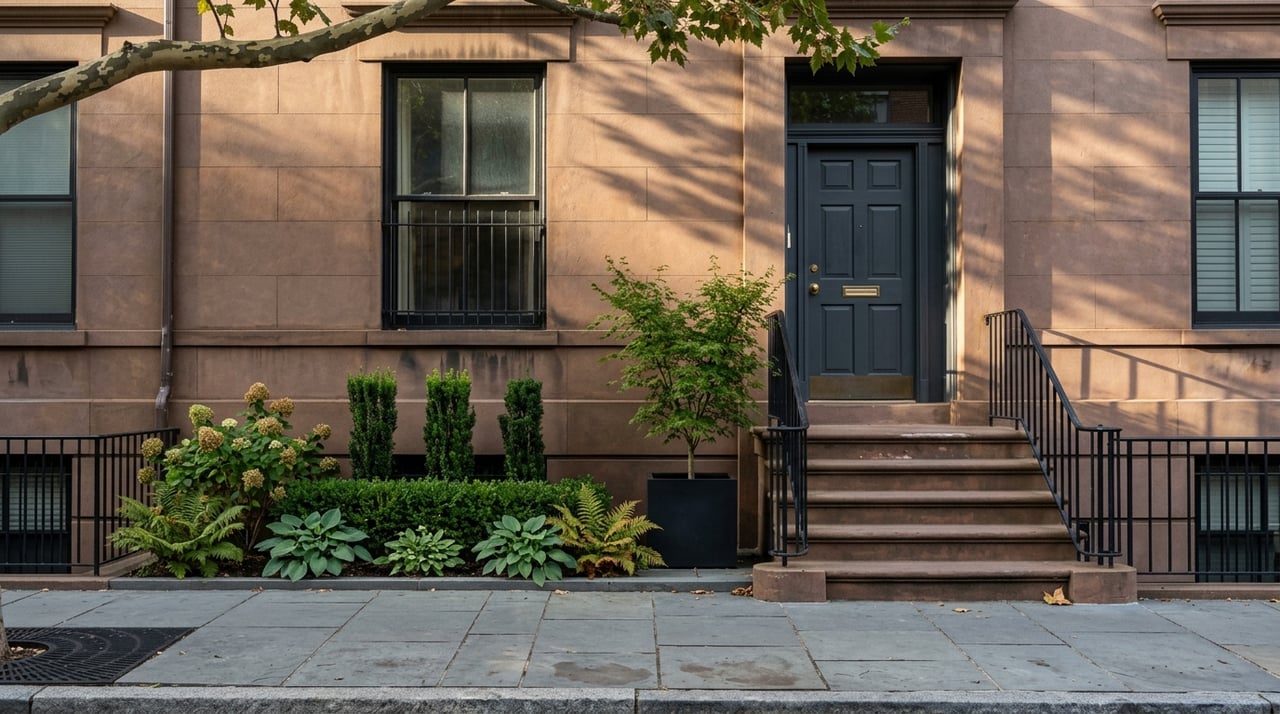
At the block level, these neighborhoods tend to share a familiar form. You will usually see narrow lots, attached rowhouses, stoops, and low-rise streets instead of detached houses. In many places, the dominant housing type is the classic three- to five-story rowhouse.
Why the Street Feels Different
A big part of brownstone appeal comes from the way the street itself functions. These blocks are often low-rise, tree-lined, and residential, with activity concentrated a few blocks away rather than right outside every front door.
That creates a different rhythm from a corridor lined wall-to-wall with retail. You may live on a quieter block, then walk to a busier avenue for coffee, groceries, restaurants, or errands. In many classic brownstone areas, that balance is a major part of daily life.
Street trees also play a practical role, not just an aesthetic one. New York City notes that trees help lower temperatures and manage stormwater, which helps explain why leafy brownstone blocks can feel more comfortable and livable, especially in warmer months.
Parks and Open Space Matter
In classic Brooklyn brownstone areas, parks and open space shape the experience almost as much as the homes do. If you are choosing a neighborhood, your access to playgrounds, plazas, and larger parks can affect how the area feels every day.
Prospect Park is the biggest example. The park spans 526 acres and includes dog runs, playgrounds, an ice skating rink, and a nature center. Since it has been permanently closed to motor vehicles since 2018, nearby brownstone neighborhoods often feel especially walkable.
Smaller public spaces matter too. Brooklyn Heights is known for low-rise brick and brownstone row houses, trees, playgrounds, and Montague Street as its main shopping street. Cobble Hill is closely tied to Cobble Hill Park and mature street trees, while Fort Greene includes pedestrian plazas and public spaces near bookstores, coffee shops, restaurants, and BAM.
Where the Shops Usually Are
One of the most useful things to understand is that brownstone living usually does not mean living on the busiest retail street itself. More often, it means living a few blocks away from a commercial corridor.
That pattern shows up across several classic neighborhoods. In Park Slope, commercial development is concentrated along Flatbush Avenue, 5th Avenue, and 7th Avenue south of 9th Street. Atlantic Avenue acts as a major retail corridor through Brooklyn Heights, Cobble Hill, and Boerum Hill.
This can be a real advantage if you want both convenience and a more residential home base. You get easier access to shops and services without giving up the lower-rise character that draws many buyers to these areas in the first place.
What Homes Often Look Like
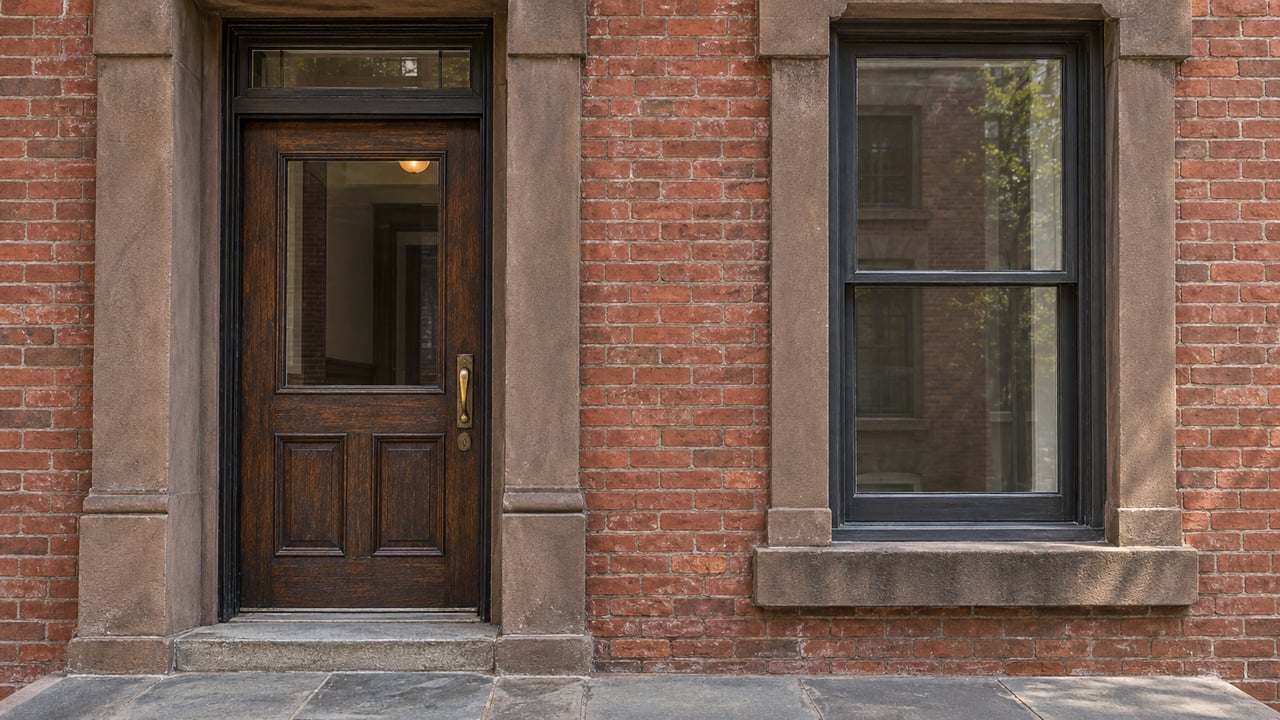
Classic Brooklyn brownstones are usually rowhouses with a few common features. Many are three-story-and-basement buildings with stoops, areaways, and fenced front lightwells.
That said, there is no single standard layout. Some rows historically included ground-floor shops, and some had extra rooms for boarders. If you are touring properties, it helps to expect variations in entry level, parlor floor setup, garden access, and how upper floors are arranged.
For buyers, this means you should look beyond the exterior charm. Two homes on the same block can offer very different interior flow, flexibility, and ownership needs.
What Ownership Requires
Brownstone ownership is rewarding, but it is usually more hands-on than condo living. If you are considering one of these homes, it helps to go in with clear expectations about maintenance and approvals.
If the property is in a historic district, most exterior changes generally require review by the Landmarks Preservation Commission. Ordinary repairs such as replacing broken window glass or repainting a surface the same color usually do not. Minor work categories can include repointing, brownstone repair, sidewalk work, ironwork, door work, and window replacement.
The first due diligence step is simple but important. Confirm whether the exact address is in a historic district or is individually landmarked, because the rules apply to the parcel itself, not just the neighborhood name.
Older housing stock also brings practical upkeep concerns. Homes built before 1978 are more likely to have lead-based paint, so renovation, repair, or painting work should use lead-safe certified firms. And while most classic brownstones are below the city’s facade inspection threshold for taller buildings, owners still need to keep facades and parapets in safe condition.
How Neighborhood Choice Changes Brownstone Life
Not every brownstone neighborhood feels the same. The overall formula may be familiar, but the block mood, park access, and level of mixed-use activity can vary quite a bit.
Brooklyn Heights and Cobble Hill
Brooklyn Heights and Cobble Hill often match the classic image many buyers have in mind. Brooklyn Heights is described as a low-rise neighborhood of brick and brownstone row houses with trees and playgrounds. Cobble Hill has a similarly leafy identity, shaped by mature street trees and Cobble Hill Park.
If you picture quiet, elegant blocks with nearby services, these areas often fit that vision. The atmosphere tends to feel residential first, with shopping and dining folded into a nearby main corridor rather than spread evenly across every street.
Carroll Gardens and Boerum Hill
Carroll Gardens is known for predominantly residential streets with three- to four-story row houses and deep front yards. That deeper setback changes the street feel in a noticeable way and gives many blocks a strong visual rhythm.
Boerum Hill blends historic residential scale with access to a special commercial corridor. If you want rowhouse character but also value strong access to retail streets and transit-oriented activity, this area may feel more connected to that mix.
Park Slope and Prospect Heights
Park Slope and Prospect Heights are often more park-centered and can feel busier at the edges. Park Slope is Brooklyn’s largest historic district, with major commercial development along Flatbush Avenue, 5th Avenue, and 7th Avenue south of 9th Street.
Prospect Heights is known for fine brick and stone row houses and some of the borough’s classic rowhouse blocks. If Prospect Park access is high on your list, these neighborhoods often stand out for buyers who want brownstone character tied closely to larger open space.
Fort Greene, Clinton Hill, and Bed-Stuy
Fort Greene, Clinton Hill, and Bed-Stuy combine brownstone blocks with more mixed-use energy. Fort Greene and Clinton Hill are predominantly made up of three- to five-story brownstone row houses, while Fort Greene’s public spaces connect closely to bookstores, coffee shops, restaurants, and cultural destinations like BAM.
In Bed-Stuy, neighborhood life often concentrates along corridors such as Fulton Street, Bedford Avenue, and Nostrand Avenue, along with public spaces like Marcy Avenue Plaza. The area is known for historic three- to four-story brownstones with stoops, churches, institutions, and active commercial streets.
How to Evaluate a Brownstone Block
If you are serious about buying in a classic Brooklyn brownstone area, it helps to evaluate the block as carefully as the house. Street-level living is shaped by more than square footage.
As you compare options, pay attention to:
- Whether the exact property is in a historic district or individually landmarked
- How far the home sits from the nearest commercial corridor
- The amount of tree cover and nearby open space
- Whether the block feels mostly residential or more mixed-use
- The home’s likely maintenance needs based on age and exterior condition
- How the layout fits your day-to-day use, since rowhouses can vary quite a bit
This kind of review can help you choose the version of brownstone living that actually fits your routine. For some buyers, that means a quieter block near a single shopping street. For others, it means more activity, faster access to retail, or closer proximity to a major park.
The Practical Takeaway
At street level, classic Brooklyn brownstone living is usually a choice among several versions of the same core idea. You are often choosing a tree-lined, low-rise block, a nearby commercial avenue, and a home that asks for more direct ownership attention than a condo would.
That is exactly why these neighborhoods remain so distinctive. The appeal is not only the architecture. It is the way the block, the park, the local corridor, and the home itself all work together in daily life.
If you are weighing Brooklyn brownstone neighborhoods and want clear, experienced guidance on how a property and block fit your goals, connect with John O'Kane for a consultation.
FAQs
What does brownstone living in Brooklyn usually mean?
- It usually means living in a low-rise rowhouse neighborhood with attached homes, stoops, tree-lined blocks, and nearby commercial corridors rather than on a dense retail street.
What should you check before buying a Brooklyn brownstone?
- You should confirm whether the exact address is in a historic district or individually landmarked, because exterior work rules depend on the specific parcel.
Do exterior changes to Brooklyn brownstones need approval?
- In historic districts, most exterior changes generally require Landmarks Preservation Commission review, while some ordinary repairs may not.
How are Brooklyn brownstone neighborhoods different from each other?
- Some areas, like Brooklyn Heights and Cobble Hill, are often associated with quieter low-rise blocks, while areas like Fort Greene, Clinton Hill, and Bed-Stuy often combine brownstone housing with more mixed-use street activity.
Why do parks matter in Brooklyn brownstone areas?
- Parks, playgrounds, plazas, and street trees shape walkability, comfort, and daily routines, which is a major part of the street-level experience in these neighborhoods.